Moving to
Northwest Indiana
Small-town feel, big-city access
Considering a move to the 219? You're in the right place. This is the insider's starting point for relocating to Northwest Indiana: the towns worth knowing, the commute reality to Chicago, and what day-to-day life actually feels like. I'm Liz, a lifelong Lake County resident and Realtor, and this is exactly where I'd tell a friend to begin.
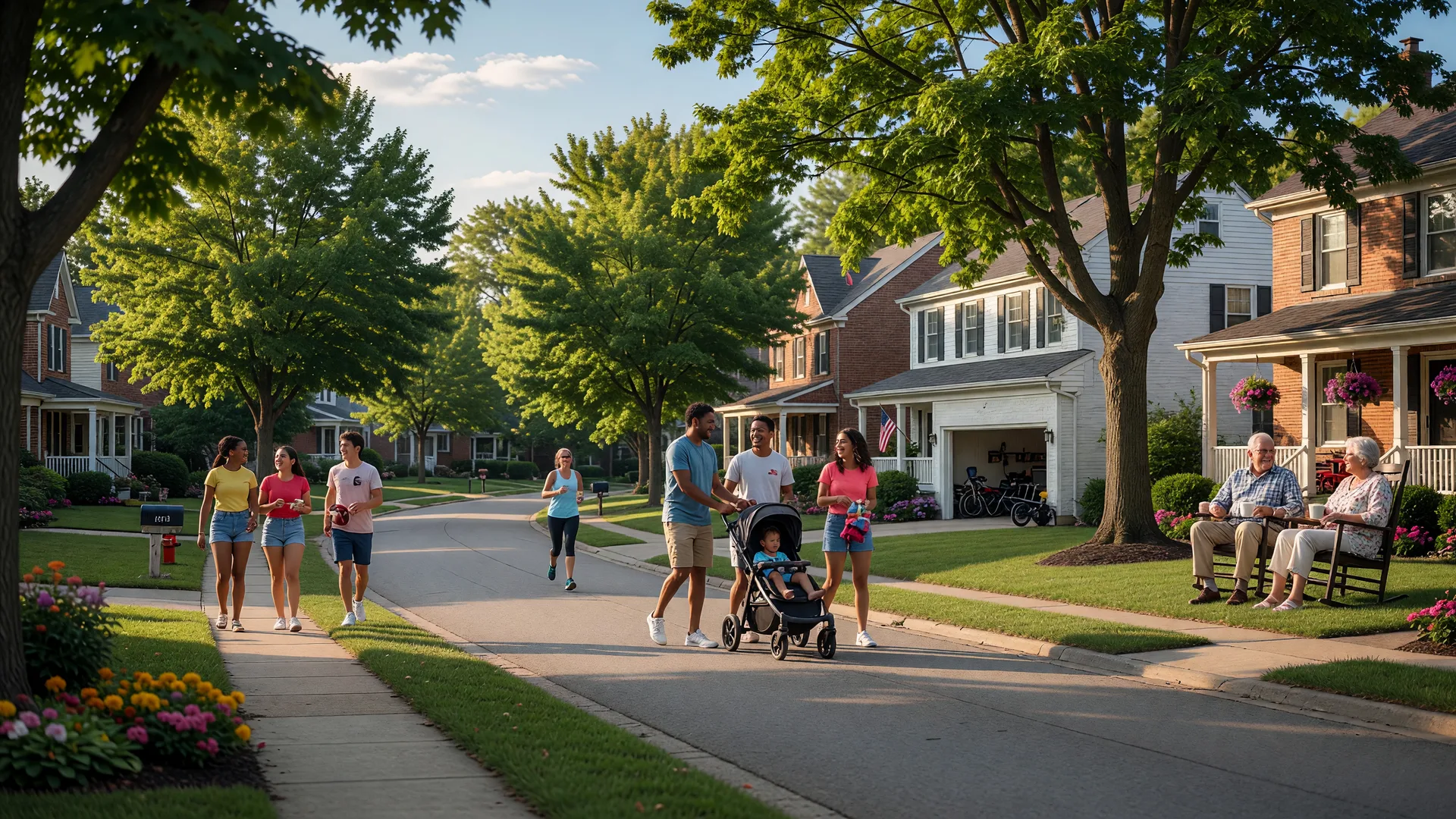
Every town in the 219 has its own personality
Lake County isn't one place, it's a collection of communities, each with its own rhythm, its own food, and its own reason people stay. Start here and read the field notes on the towns I know best.

Crown Point
The antique courthouse square
Historic downtown, antique shops, and the courthouse square packed with boutiques and local flavor.
Read the field notes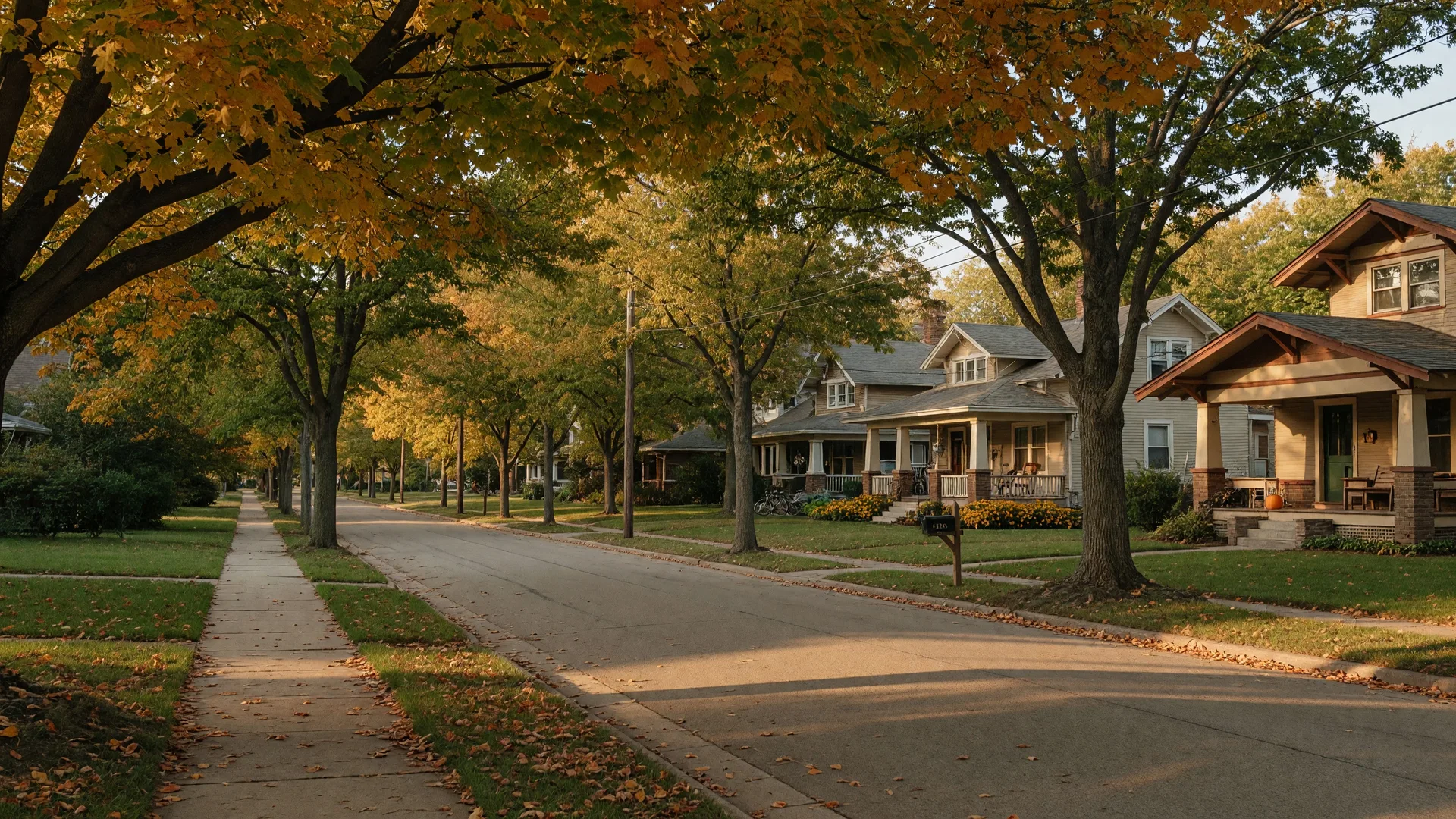
Munster
Parks, beer, and a great school system
200-acre Centennial Park, Three Floyds Brewing, and top-rated schools in one of NWI's most desirable towns.
Read the field notes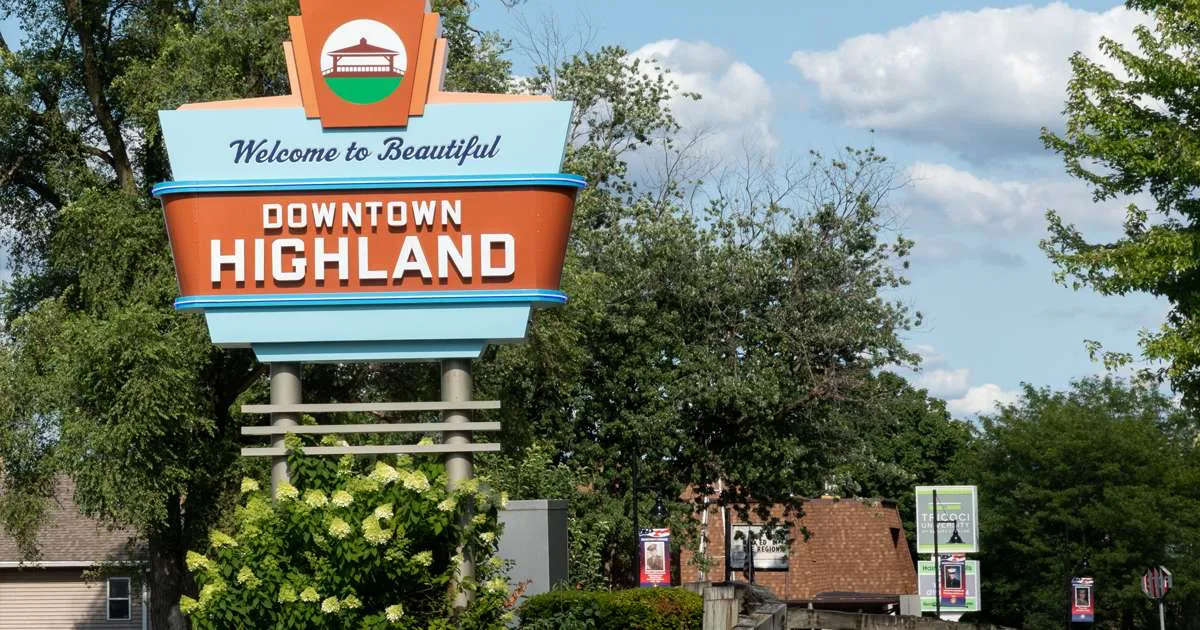
Highland
Where golf meets grit
Golf culture, great diners, the Hoosier Prairie nature preserve, and a revitalized commercial corridor.
Read the field notes
Schererville
Lincoln Highway history and family dining
Crossroads of US-41 and the Lincoln Highway. Teibel's, antiques, and nature preserves.
Read the field notes
Dyer
Small town, big flavor
A surprisingly strong restaurant scene in a tight-knit community that punches above its size.
Read the field notes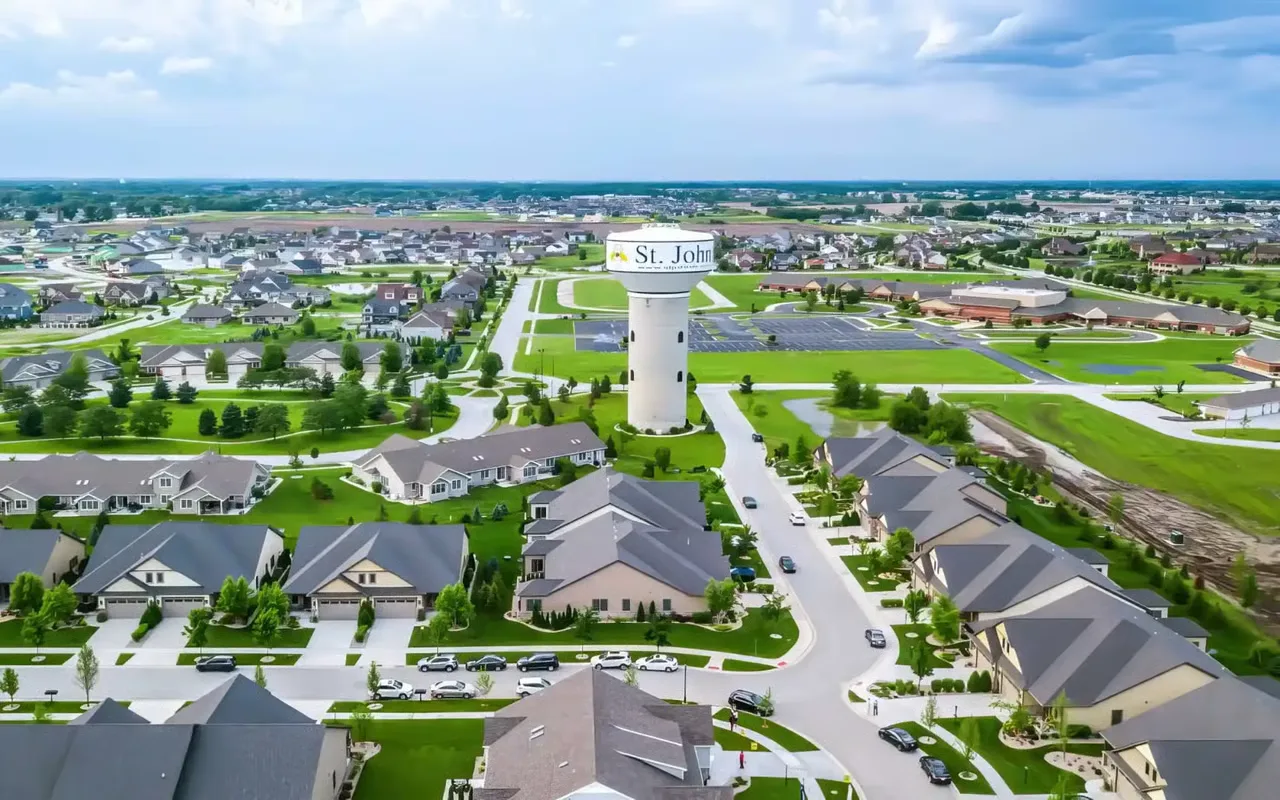
St. John
Suburban calm with country roots
Growing community with good schools, spacious lots, and a family-first atmosphere.
Read the field notes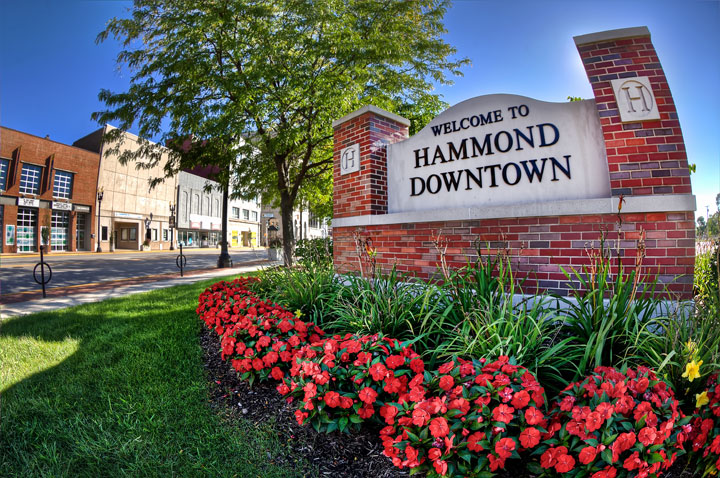
Hammond
The Region's working heart
Deep industrial roots, Wolf Lake, new dining options, and authentic community pride.
Read the field notes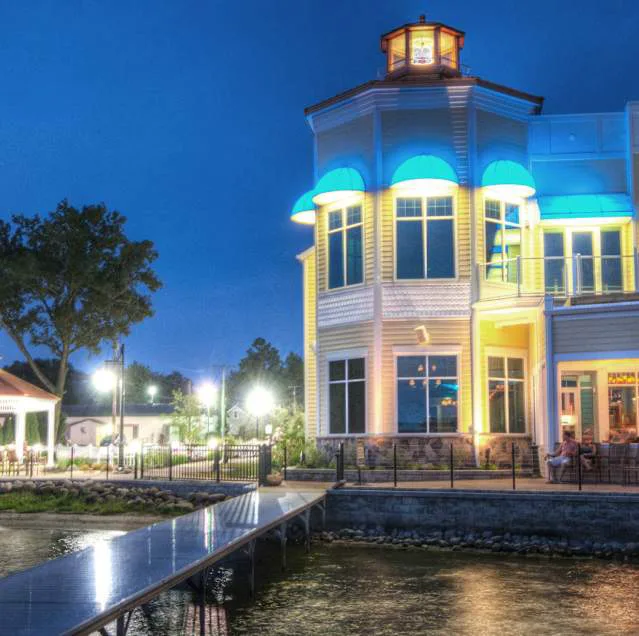
Cedar Lake
Lakeside living at its finest
The largest natural lake in NW Indiana. Boating, fishing, beaches, and that vacation-home feel year round.
Read the field notesWhat would your weekends actually look like?
Before you pack the moving boxes, get a feel for the fun. These are the guides I send to friends who are scoping out the area:
Dining & Restaurants
From Teibel's in Schererville to Lucrezia in Crown Point, the meals that define the county.
ExploreOutdoor & Recreation
Trails, lakes, parks, and nature preserves you didn't know existed out here.
ExploreEvents & Festivals
The Lake County Fair, Thursday Car Cruises, farmers markets, and festivals all year long.
ExploreShopping & Entertainment
Antiques, boutiques, craft breweries, and the spots worth your weekend.
ExploreWhat to know before you move
The questions every newcomer asks, answered the way a neighbor would. No fine-print jargon, just the real picture.
The commute to Chicago
Most of the 219 sits 25 to 45 miles from downtown Chicago, which makes the city an easy day trip, not a distant memory. I-80/94 and the Indiana Toll Road (I-90) run through the heart of the region, I-65 heads north and south, and most towns are roughly 35 minutes to a little over an hour from the city depending on traffic.
And you don't have to drive. The South Shore Line runs commuter trains from stations in Hammond, East Chicago, and Gary, plus the newer Munster and Dyer corridor stops, straight into Millennium Station in downtown Chicago. Depending on your stop, plan on roughly 35 minutes to an hour on the train. City job, small-town life, no parking garage.
The new Munster, Indiana guide digs into the Monon Corridor train, real home prices, and the top-rated schools in that commuter hub. Prefer new construction and big lots? My St. John, Indiana guide covers Lake County's fastest-growing town, from Lake Central schools to the drive-or-ride commute math.
Property taxes, plain and simple
Indiana caps the property tax bill on your primary home, called a homestead, at 1% of its assessed value, with the cap written into the state constitution. Other residential property is capped at 2%. It's one of the first things buyers relocating from other states ask me about, and more often than not it lands on the pleasant side of the ledger.
Cost of living: more house, more yard
The honest truth: your housing dollar tends to stretch further here than it does in the Chicago area. Lake County offers everything from starter ranches to lakefront homes to new construction, and most buyers find they can get more house, more yard, and more driveway for their budget than they could a few dozen miles east. Day-to-day costs feel like the friendly Midwest you'd expect, and the biggest lifestyle upgrade is usually space, inside the home and around it.
Want the real numbers? My cost of living guide compares Lake County and Chicago home prices, Indiana's flat income tax, the 1% property tax homestead cap, and South Shore Line fares. Eyeing the Dunes side of the region? My guide to living in Porter County compares Chesterton, Valparaiso, and the Duneland corridor for relocating families and commuters.
Buying from out of state? The whole process, from video tours to remote notarized closings, is laid out in my step-by-step guide to buying a home in the 219 from out of state.
Schools: district follows address
Lake County is home to some of the most respected school districts in Northwest Indiana, and which one serves your new address depends entirely on where you buy. Crown Point Community School Corporation and the School Town of Munster are household names for families, Lake Central serves Schererville, Dyer, and St. John, and School City of Highland, Hanover Community (Cedar Lake), and School City of Hammond each cover their own communities.
Every district publishes boundary maps, so my advice is simple: decide on your short list of districts, then let the boundaries, not the guesswork, drive your house search.
Empty nesters & downsizers
Ready to right-size? My guide to the best Northwest Indiana towns for empty nesters compares lakefront Michigan City, Chesterton, Crown Point, and Valparaiso, with the details on ranch homes and condos, the senior property tax credit, and reduced South Shore Line fares for riders 65 and older.
First-time buyers: the real numbers
Buying your first home here is more attainable than the headlines suggest. Lake County's median sale price sits around $284,000, FHA loans start at 3.5% down, and Indiana's IHCDA programs can cover up to 6% of the purchase price in forgivable down payment assistance for qualified buyers.
How much snow should I really expect?
More than Chicago, that's the honest answer, and it's lake-effect snow, not exaggeration. Northwest Indiana sits right in Lake Michigan's snowbelt: Chicago averages roughly 35 to 40 inches a winter, while much of the 219 averages about 40 to 60 inches, with the heaviest totals piling up in the eastern snowbelt around LaPorte and South Bend. The good news is that every town here is built for it. Plows and salt trucks are out early, schools handle delays like clockwork, and lake-effect events are usually forecast days ahead. A garage and a good snow shovel are the two household upgrades worth budgeting for.
Do I need a car, or can I get by on trains and buses?
Realistically, plan on a car. Northwest Indiana is spread out and genuinely car-oriented. The South Shore Line is a dream for the Chicago workday, but local bus service covers a fraction of the region: Gary's GPTC buses reach the most ground across Lake County, with smaller systems in East Chicago, Michigan City, and Valparaiso, and routes that don't run all day or every day. The pattern you see everywhere out here is simple: you drive for groceries, school runs, and Friday night dinner, and you take the train when you want to skip the drive entirely.
I'll work in Chicago but live in Indiana. How do taxes work?
It's a two-state filing, but you don't get taxed twice on the same paycheck. Your employer withholds Illinois income tax on wages earned in Illinois, and you file an Illinois nonresident return. On your Indiana resident return, you report your income and claim a credit for the tax you paid Illinois, so those same wages never get double-taxed. Indiana's flat income tax, 2.95% for 2026, also runs lower than Illinois's flat 4.95%, one of the quiet math wins behind the live-in-the-219, work-in-the-Loop move. Rates and credits do shift, so it's worth confirming the details with a tax pro in your first year.
How is the healthcare in Northwest Indiana?
Solid, and close to home. Four major hospital systems serve Lake, Porter, and LaPorte counties. Powers Health runs Community Hospital in Munster, St. Catherine in East Chicago, and St. Mary Medical in Hobart. Franciscan Health has campuses across the region, including a brand-new Crown Point hospital that opened in January 2024, plus Dyer, Hammond, Munster, and Michigan City. Methodist Hospitals covers Gary and Merrillville, and Northwest Health serves Valparaiso, Portage, and La Porte. Wherever you land in the 219, you're rarely more than a short drive from an emergency room and a full care network.
Which airport should I fly into, and how far is it?
Nearly everyone in the 219 flies out of Chicago's two big airports. O'Hare runs about an hour off-peak from most of Lake County, and Midway is the closer bet at roughly 45 minutes to an hour. Gary/Chicago International hasn't had regular commercial passenger service since 2013, so plan around O'Hare or Midway. Drive and park, book an airport shuttle like Express Air Coach or City Zoom, or ride the South Shore Line to Millennium Station and catch the CTA to either terminal. It's an easy enough trip that weekend flights home to visit family are completely routine.
Do I have to commute to Chicago for work?
No, most people don't. More than 112,000 Lake County residents work right here in Lake County. Healthcare is the region's single largest industry at about 14% of jobs, and manufacturing and steel still employ thousands through employers like Cleveland-Cliffs and U.S. Steel's Gary Works. NIPSCO's headquarters sits in Merrillville, and logistics and warehousing keep growing. That said, the Chicago option is real: more than 35,000 Lake County residents, roughly 15% of the regional workforce, cross the border for work, often chasing higher pay. The honest answer is you can build a career here or keep a foot in Chicago, and plenty of households do a version of both.
How long do I have to switch my driver's license and plates after moving?
Sixty days, starting the day you move. Indiana gives new residents 60 days from establishing residency to turn in their out-of-state license and get an Indiana driver's license, and the same 60-day clock applies to titling and registering your vehicles. Miss the vehicle window and the state adds an administrative penalty, so it's worth doing early rather than late.
The BMV keeps it simple: you apply at a branch, surrender your old license, and leave with a temporary Indiana license valid for 30 days while your documents are verified. Bring your current license, your vehicle titles, proof of your new Indiana address, and your insurance info, and you can usually take care of both in one trip.
Who provides my electricity, gas, and internet out here?
One name covers most of your utilities: NIPSCO, the Northern Indiana Public Service Company, supplies both electricity and natural gas across Lake, Porter, and LaPorte counties. It's Indiana's largest natural gas utility and second-largest electric distributor, and for the vast majority of the 219 it's the company you'll call to start service. A few edges of the region have different providers, so it's worth confirming at your exact address before you close, but NIPSCO is the default for gas and electric across most of Northwest Indiana.
Internet is where you actually get choices. Comcast Xfinity cable covers much of the region, AT&T fiber is available in many Lake County neighborhoods, and local providers like Surf Internet and NITCO are building out fiber across all three counties, including multi-gig service in places like Crown Point and La Porte. If you work from home, plug your prospective address into the provider websites or the FCC's National Broadband Map before you buy, because fiber coverage genuinely changes from one street to the next.
How much should I worry about tornadoes and severe weather? Do homes have basements?
Be storm-aware, not storm-scared. Northwest Indiana sits squarely in the Midwest severe weather zone: FEMA's National Risk Index gives Lake County one of the highest tornado risk ratings in Indiana, listed as "very high," with Porter County rated "relatively high" right behind. Severe thunderstorms and hail are part of every warm season, and the region has real tornado history, most famously the Palm Sunday outbreak of April 11, 1965, the deadliest tornado outbreak in Indiana history, which cut a long path through Porter and LaPorte counties.
The good news is the whole region is built for it. Weather alerts land straight on your phone, outdoor warning sirens do their part, and basements are common shelter: roughly half of Indiana's single-family homes have one, so it isn't hard to find a house with a built-in storm room. Newer construction is increasingly built on slabs though, so if a basement is a must-have, say so early and we'll make it a search filter rather than an afterthought.
Thinking about making the move? I'd love to help.
Tell me what matters to you, schools, commute, budget, lake access, and I'll point you toward the towns worth touring. No pressure, no sales pitch. Just honest answers from someone who lives here.